High School Musical “Into the Woods”

Shining Mountain Waldorf High School Presents:

Into the Woods by Stephen Sondheim 

Shining Mountain Waldorf High School is delighted to bring you Into the Woods, a musical for all ages about wishes, fairy tales and the challenges and adventures that life brings our way.

Nomad Playhouse 1410 Quince Ave, North Boulder

Friday, November 18 | 7:00pm
Saturday, November 19 | 7:00pm
Sunday, November 20 | 1:30pm

Family friendly, appropriate for all ages!  Running time is approximately 2 hours with one 20 minute intermission. All seating is general admission. Doors open 1/2 hour before the performance begins.

Tickets: $10-15

For more information and to purchase tickets:

http://shiningmountainwaldorf.org/highschool/arts/hs-musical/

image

Colorado German Awards Banquet Speech | 11.4.16 | Jane M. Zeender, School Director

Shining Mountain Waldorf School the first Waldorf School in North America to offer the German Language Diploma Program… and why World Languages are so important at our school.

Good evening! My name is Jane Zeender, and I am the current School Director of Shining Mountain Waldorf School in Boulder, Colorado. I am honored to be one of your guest speakers this evening, and my goal in the next few minutes is to educate, inspire, and maybe even provoke you to think about the German language and how vital learning a world language is in these interesting times of our current world order.

Nelson Mandela has said, “If you talk to a man in a language he understands, that goes to his head. If you talk to him in his own language-, that goes to his heart.”   Johannes Kiersch, an early Waldorf World Language teacher, states: “The overall objection of language teaching in a Waldorf school is to give pupils individual experience of the reality of language. ….. It is a schooling of empathy.”

These two quotes reinforce the Waldorf School’s belief that learning a world language makes you a citizen of the world, and allows you to stand in solidarity with people who may have been raised far differently than you, and to see and understand the world through their perspective. And it honestly does not matter if that language is German, or French, or Spanish, or Swedish, which was my first language, or even American Sign Language, the language of the Deaf, which I learned when my daughter lost her hearing several years ago.

Taking the effort to walk in another’s shoes through our voices, or hands, or dialects, opens our minds, our hearts, and our feelings in ways that translators can never even imagine, and is one of the paths to peace in our world. Just imagine, if every citizen of the world committed to learning another language, and committed to understanding another culture, what would our world look like? What COULD our world look like? This is our task as educators, to teach our children another language so they can be messengers and promoters of peace.

The first Waldorf School, and every Waldorf school that has come after it, was founded as a model for restoring peace in our world and for educating young people who would help heal the challenges of our times, and work in human connection in service to others. Almost 100 years ago, a man by the name of Emil Molt, who owned the Waldorf-Astoria Cigarette Factory in Stuttgart, Germany, approached an Austrian philosopher by the name of Rudolf Steiner and asked him to start a school at his factory for the children of his employees, all blue collar workers. Their vision and dream was to create a new educational model that would eliminate the conditions that led to World War 1, and all that transpired in Germany and in Europe at that time. The context of this education would be to focus not only on a child’s intellectual and academic potential, but on their social/emotional, physical, and spiritual potential as well. To recognize that each of us is a unique spiritual being, with a destiny to pursue, and with the hope of raising balanced, integrated, and healthy human beings. This is the core of the Waldorf pedagogy.

Shining Mountain Waldorf School was founded in 1983 by a very passionate group of parents who wanted this education for their children, and over a very short time built out our 12 acre campus in North Boulder, that today serves 300 children in preschool-12th grade. We teach two languages at our school- German and Spanish, and we begin teaching these languages in first grade. The children alternate between each language about every 6 weeks, and in 8th grade they choose one language to carry through High School. By the time our students leave 12th grade, they are conversationally fluent, and the majority of them test out of level 1 and 2 Spanish or German when they go to college. The reason we start so young is to not only immerse our students in these languages by ear, but to immerse them into the cultures that these languages arise from.

The Waldorf schools were founded out of the German cultural traditions, and although many Waldorf schools around the world have adapted their cultural traditions to their country, Germanic principles and ideals still are embedded at our school. I don’t have to be married to a Swiss German man to understand the importance of order, precision, beauty, and attention to detail in our school! In addition, we instill strong levels of respect, appreciation, resourcefulness, caring for the earth’s resources, and having fun at Shining Mountain, all values that resonate deeply with what many consider Germanic principles. All of these values, traditions, and principles are alive and well at Shining Mountain Waldorf School, and we are incredibly grateful to Emil Molt and especially Rudolf Steiner for their work almost 100 years ago in founding the Waldorf school movement, which remains the fastest growing educational movement in the world. Rudolf Steiner himself stated that “The gradual unfolding of language capability should occur in such a way that first of all a sense for what is naturally correct arises, and then a sense for what is beautiful, and finally a sense for the power language confers in the conduct of life.”

In closing, we are extremely proud and excited to be the first Waldorf School in North America to be a part of the German Language diploma program, and know that it will not only serve our students going onto university, but will help us attract and grow our High School. Many of the students in our High School who study German are interested in pursuing careers in the sciences and engineering fields, and know that fluency in German will help expand their opportunities, both in the US and abroad, over many years. Thank you to each of you for your dedication to teaching German in the United States, and to supporting our school in being dedicated to teaching German throughout our entire program. As Istated at the beginning of my talk, learning another language is a pathway to peace, which is so needed in our world today. Our work together is vitally important to the future of our children, and their children, and their children’s children. I am the proud mother of two teenagers who are learning German, and one of the greatest gifts of this language to my family was seeing my children speak German last summer with their Great Aunts and Uncles in Switzerland. German was the bridge to their connection with each other, and there is nothing more precious to me than seeing my children, and other children, cross over that bridge into those deep personal connections.


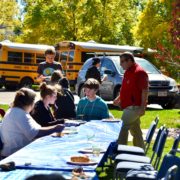
Herbstfest 2016

High School Open House and Experience Day | November 2 and 4, 2016

Click here for a printable flyer for these events

High School Open House  | Wednesday, November 2 | 7-8:30pm
High School Assembly Hall | 1179 Union Avenue  (Northwest Corner of Broadway and Union Avenue)

Please join us for an evening’s exploration of our curriculum presented by the Shining Mountain Waldorf High School faculty. All parents looking for an extraordinary high school experience for their student are cordially invited to attend this special evening.

The evening will include:

  1. An introduction to our High School faculty
  2. A sampler of academic and artistic lessons from the High School curriculum
  3. Discussions about how the Waldorf curriculum specifically meets the high school student in a developmentally appropriate way

High School Experience Day | Friday, November 4, 12:45-3:00pm
Shining Mountain Waldorf High School | 1179 Union Avenue, Boulder

The High School Open House will be followed up with a High School Experience Day for 8th Grade Students on Friday afternoon, November 4.All Shining Mountain 8th grade students will participate in the Experience Day, and any interested 8th grade students from area schools are also warmly invited to attend. The students will sample the curriculum, meet the faculty, and talk with current SMWHS students.

Parents of visiting 8th grade students from area schools or programs must attend the High School Open House on Wednesday, November 2. 

Please RSVP by calling the Admissions Office at 303.951.8579 or via email to maryf@smwaldorf.org.

“Into the Woods” 10th/11th Grade Project Week | by Max Saliman

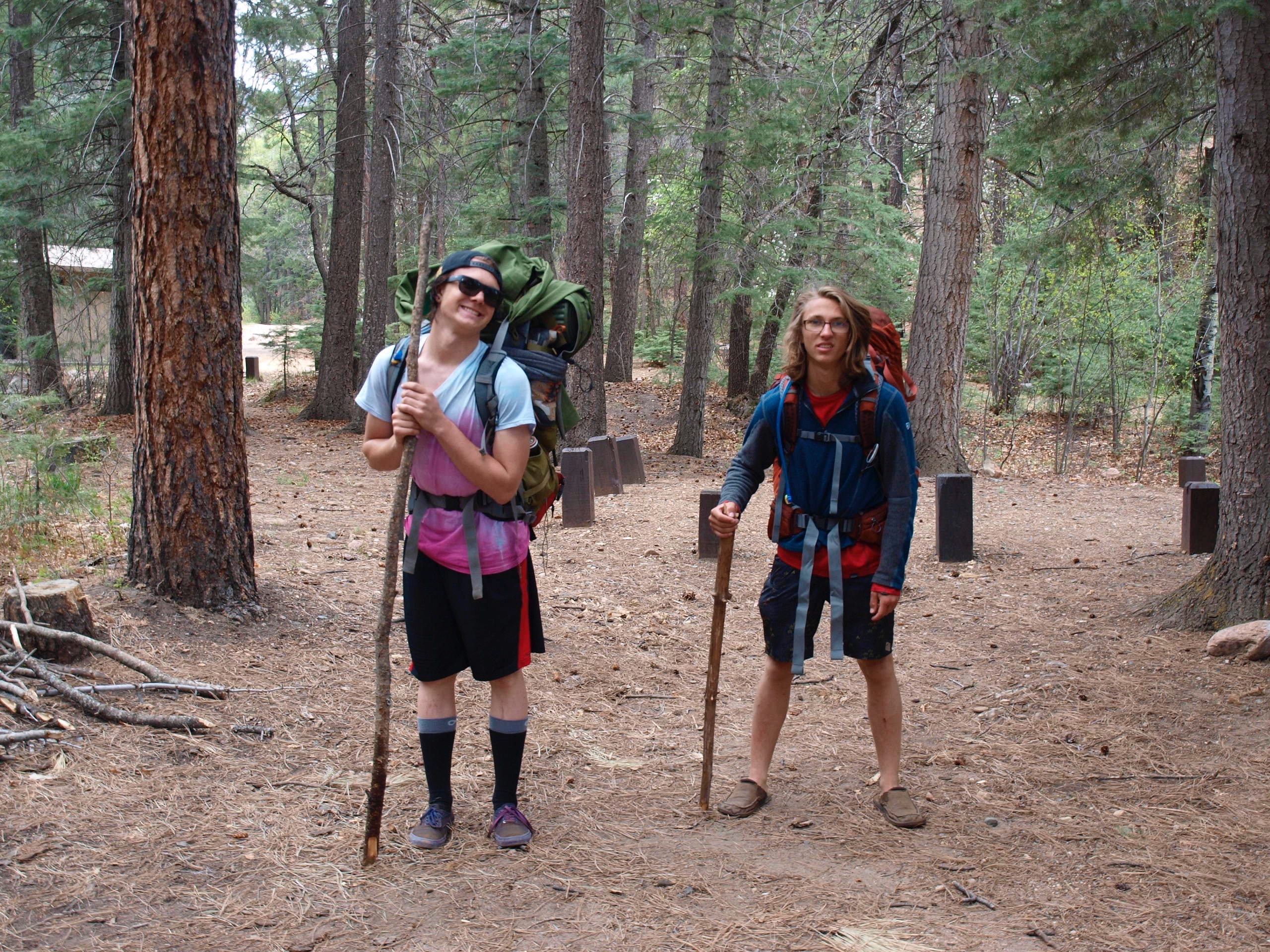
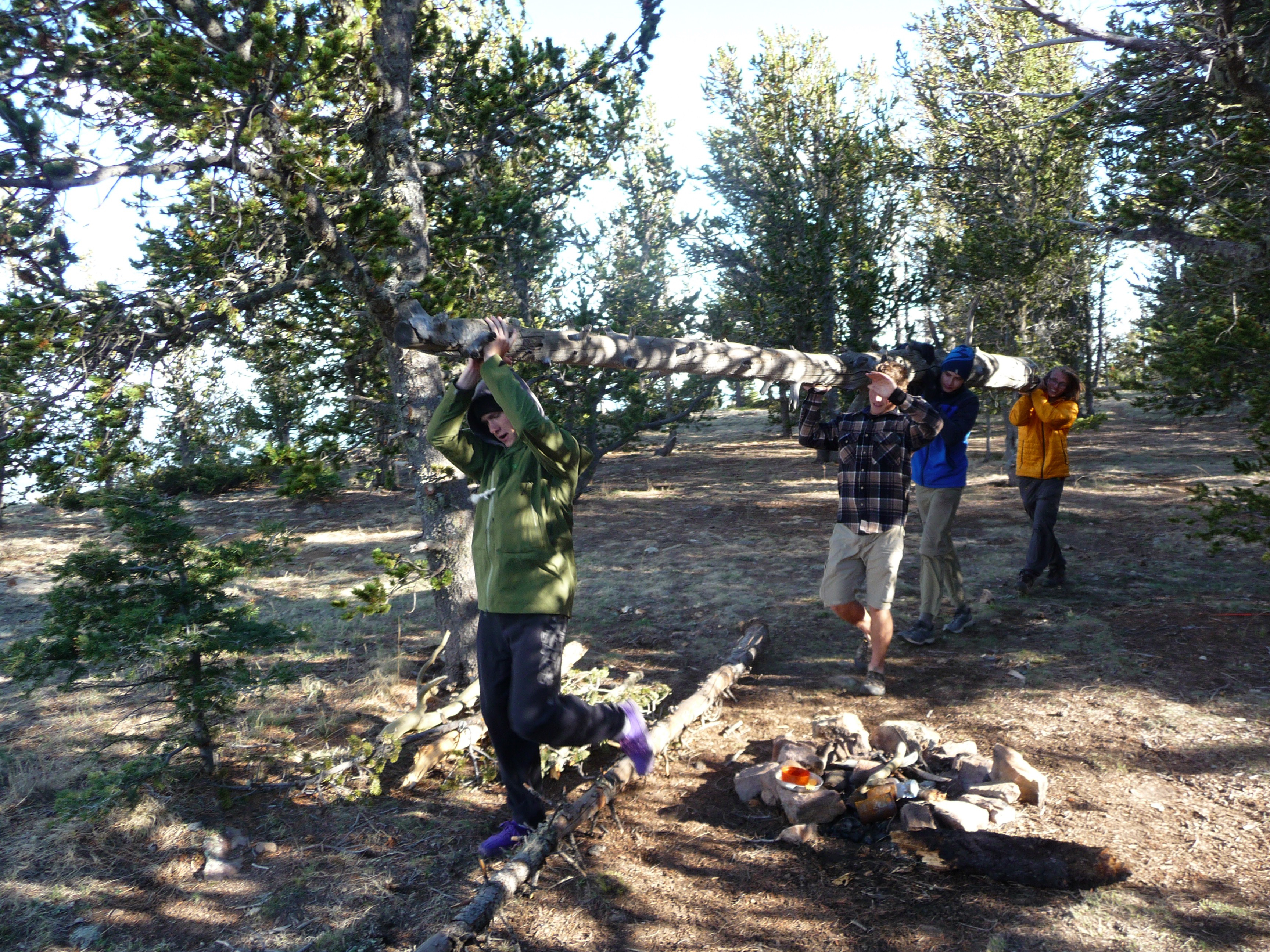
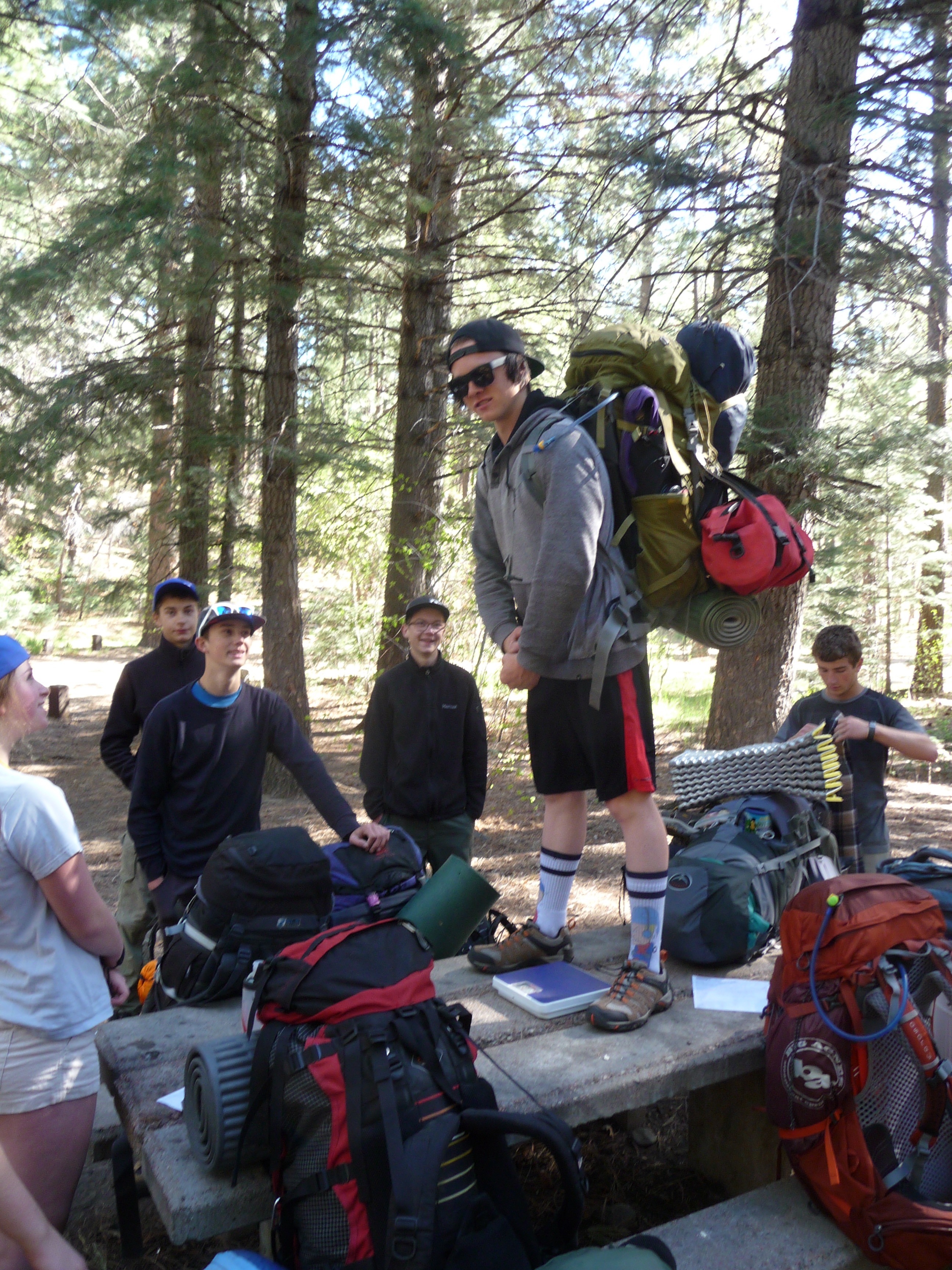
The third week of the 2016-2017 school year, the 10th and 11th grades took a backpacking trip north west of Lyons, Colorado. There were two groups, one going 5.2 miles to Finch Lake, and one group going 6.8 miles to Thunder Lake. I was in the Thunder Lake group, supervised by Julie Irwin and Matthew Messner.

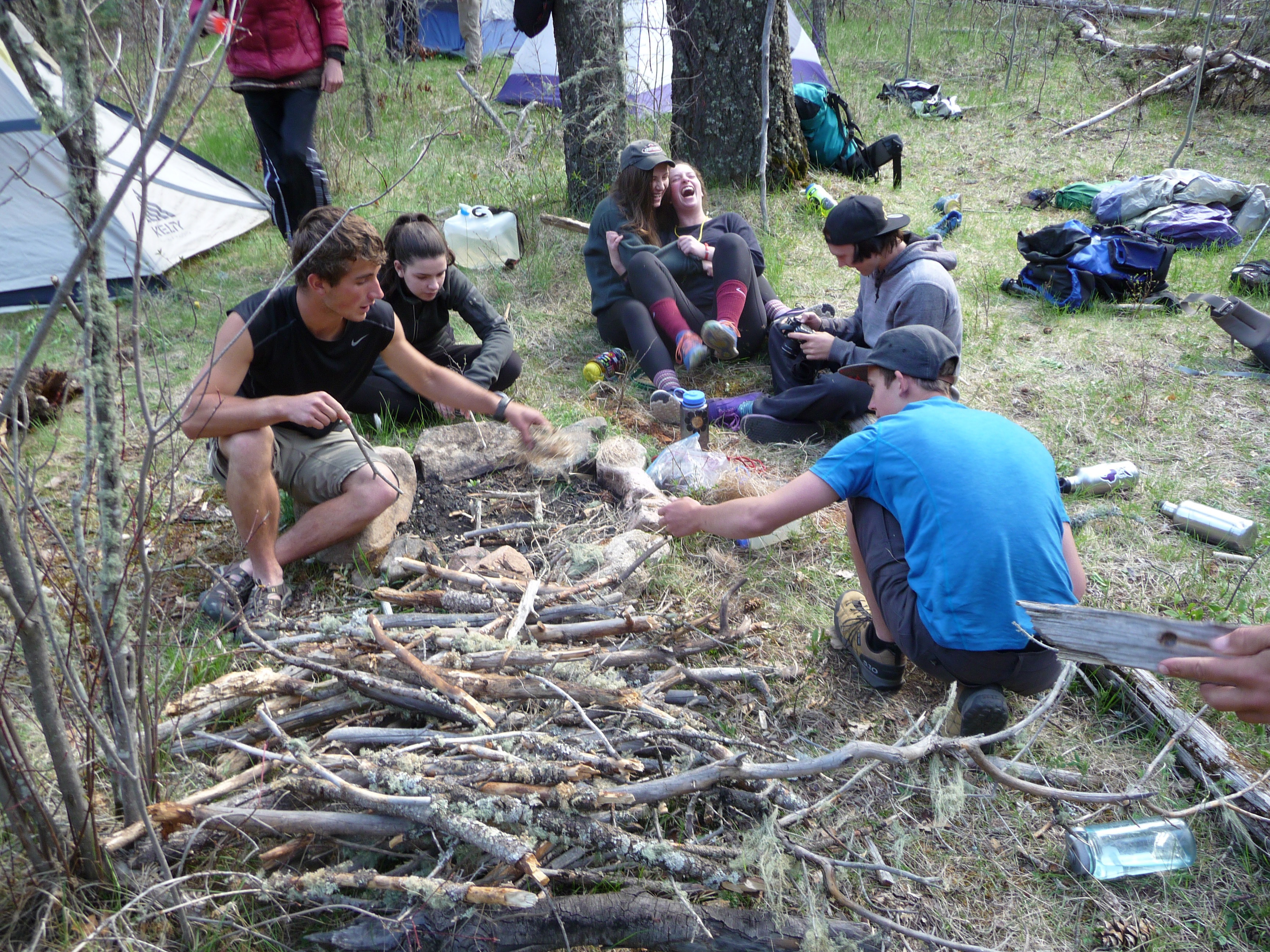
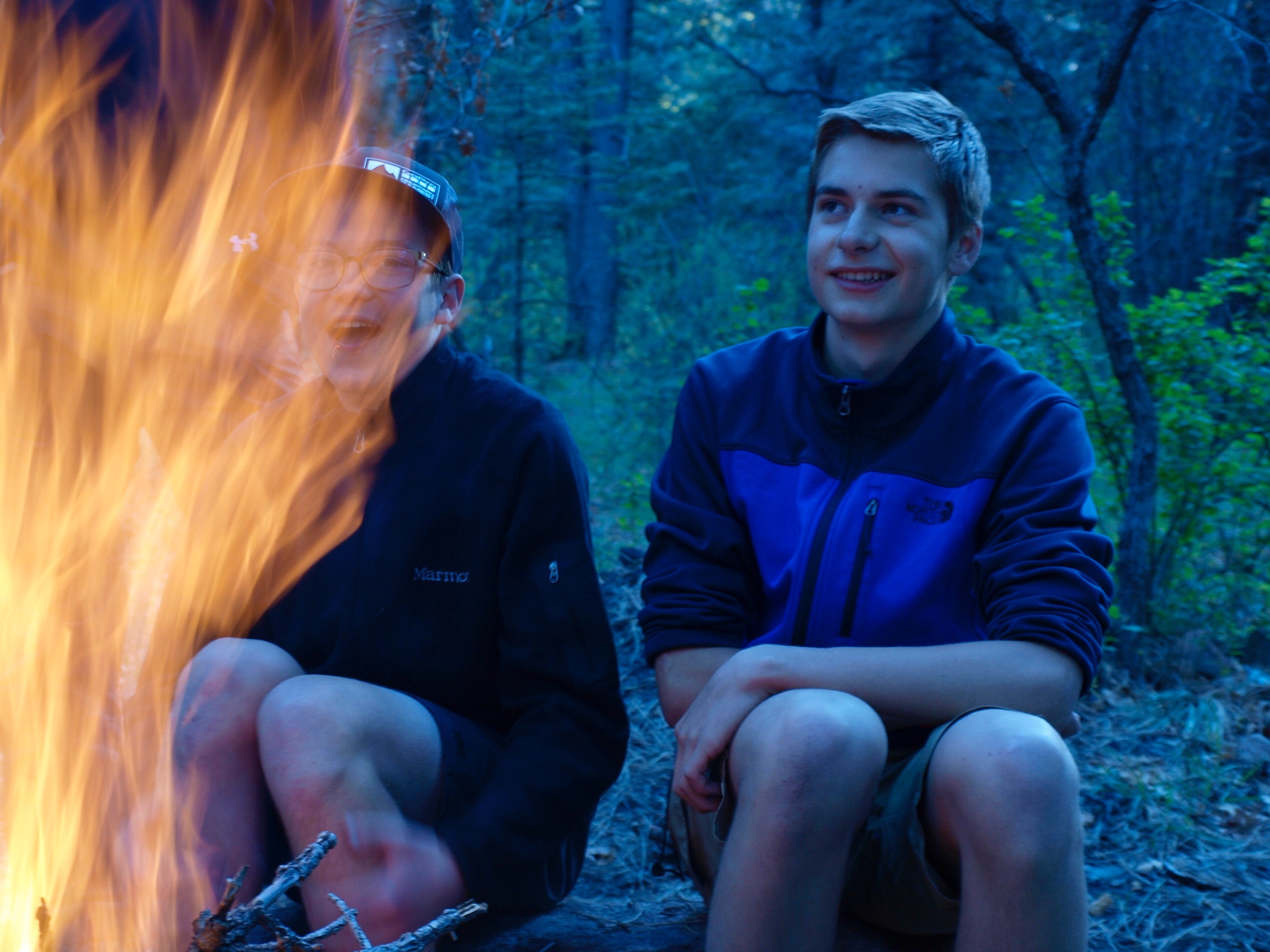
The trip began with the entire school driving together up to a car camping site, which we spend the first night at. We pitched camp, played some games, and had dinner. After that, we all gathered around the campfire to talk with friends, make dessert, and sing a good deal of random songs. We were all having fun as it started sprinkling lightly. When this kind sprinkle turned to a heavy shower of cold rain, those most enthusiastic moved to the bus and resumed singing there, while everyone else scrambled into their tents. I was among those who went to the bus, and we stayed there until we were told it was time to go to bed.

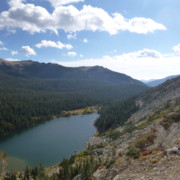
The next day we set off for the several hour hike up to Thunder Lake. For much of the hike the fog was so thick that the people in the front of the pack looked hazy. For the other (admittedly much smaller portion) of the hike, the fog lifted and the beauty of the jagged mountains around us was revealed. We reached our campsite at about six o’clock, and made dinner as soon as all of our things were in place. After dinner, nobody had enough energy to do much other than crawl into their sleeping bags and fall asleep.

The next day, after one of the deepest sleeps I have ever had, we were given the freedom to do basically whatever we wanted until ten o’clock, when we would join together and take a hike to the continental divide. I was a part of a group that decided to climb up the valley that our campsite was at the bottom of. We figured out, soon after starting, that this was not going to be a walk. In total, I’m guessing the hike was half a mile, but it took us close to an hour due to the fact that you needed to use your hands and climb up much of the surface. After returning from that adventure, we tried to hike to the continental divide, but were forced to turn around early due to the snow.

Half of the group took the opportunity to wake up at 5:50 AM the following morning to go watch the sunrise from the lake. When we got there, it was still pitch black, but as we watched, the sun slowly peeked out, flooding our surroundings with a beautiful orange light. After it started to hurt to look at it, we went back to camp, ate breakfast, and set off down the mountain. Once we got back, we met up with the other group, told each other what we had done, and headed back to the campsite we had stayed on the first night. We woke up the next morning and headed home. I will always remember that trip as a positive one, and am glad I got the opportunity to be a part of it.

Max Saliman, 10th Grade

p1020056

Wonderful New Desks in World Language Rooms

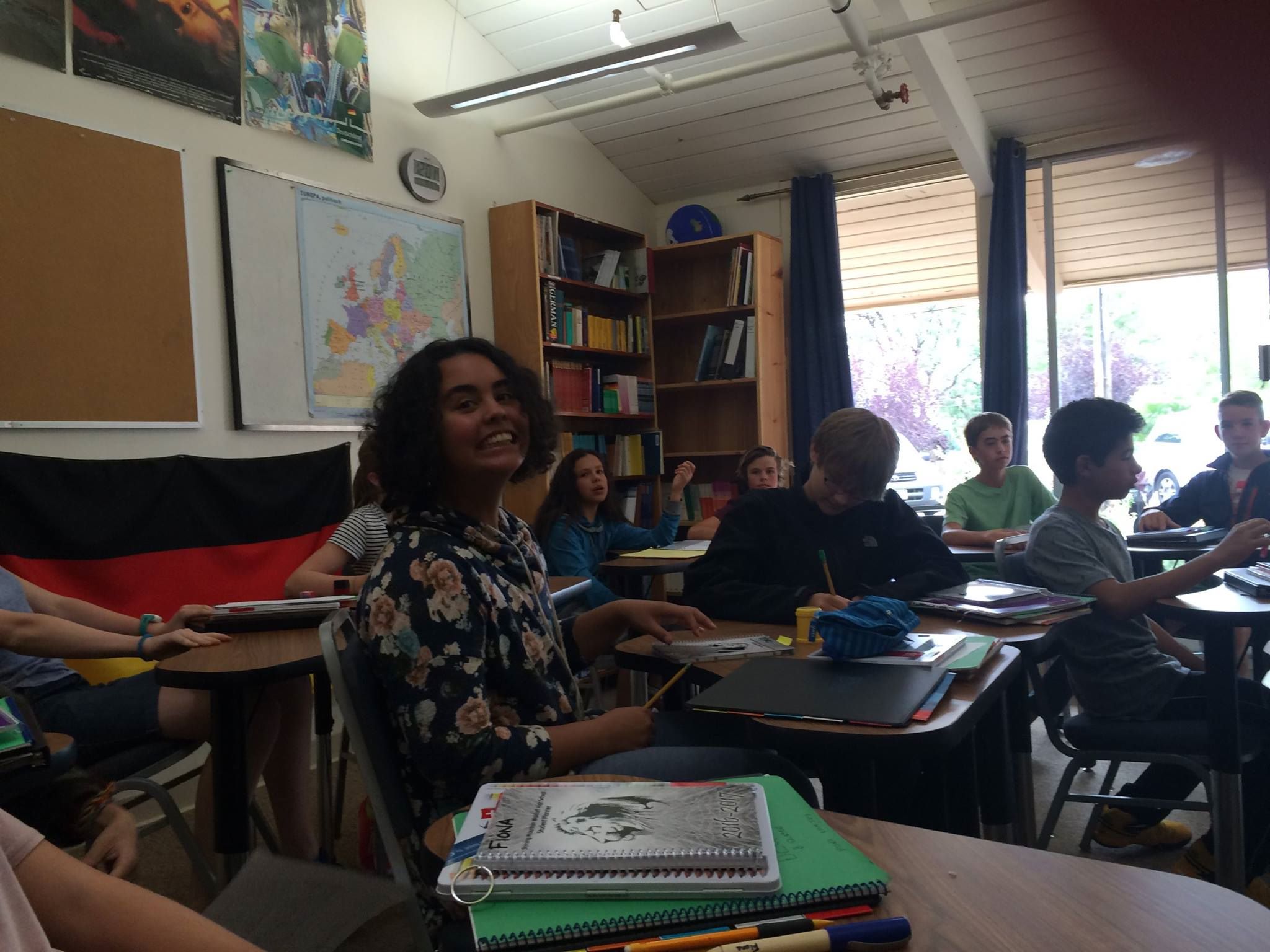
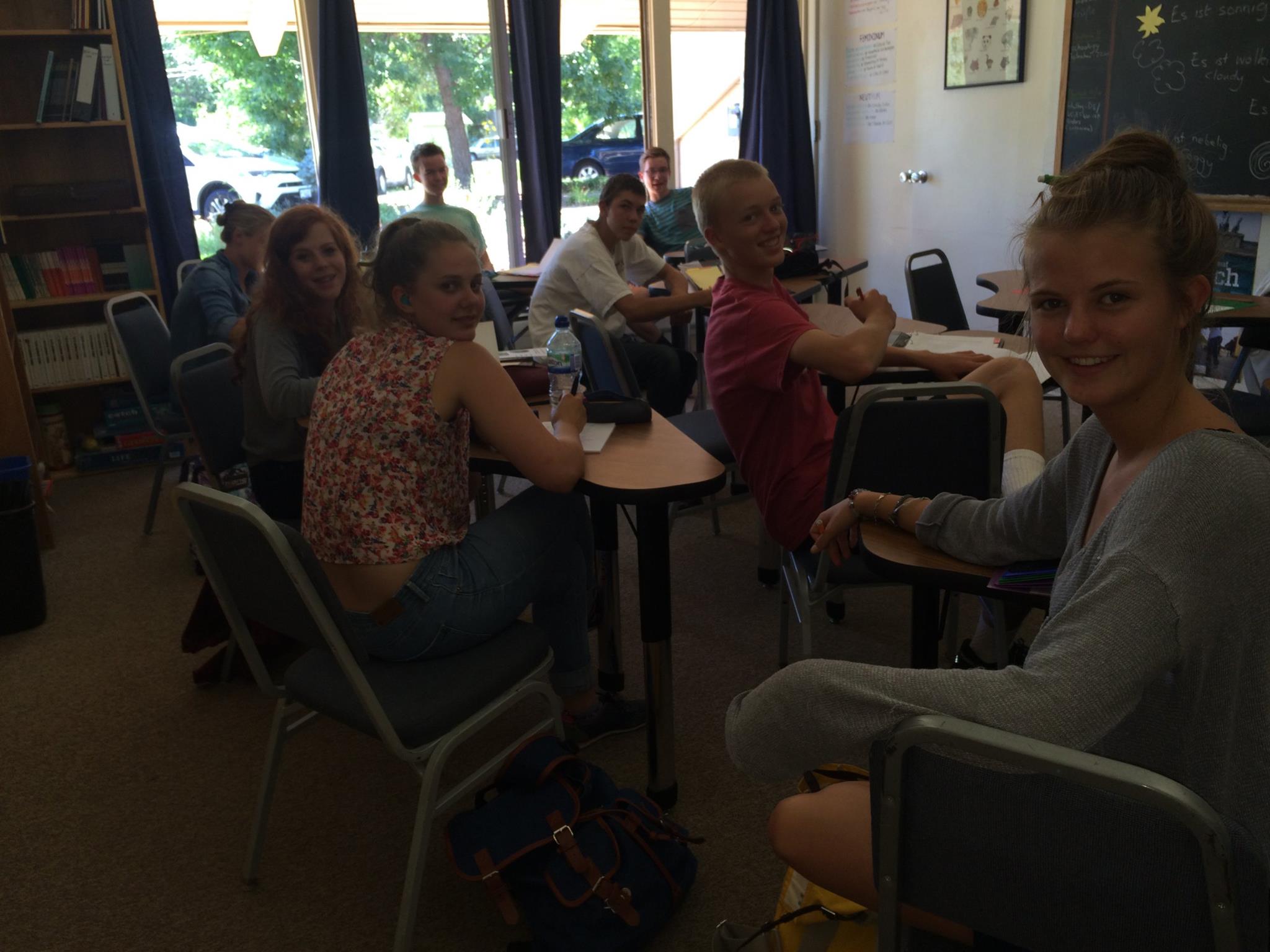
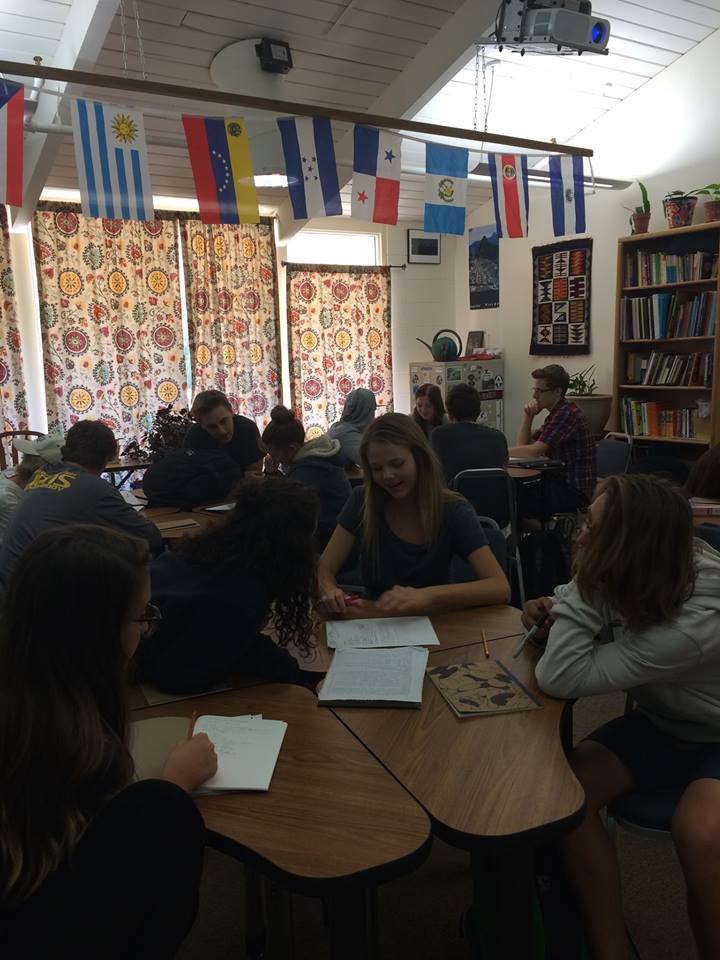
Shining Mountain Waldorf High School World Language teachers, Profe Irwin and Frau Blum, are excited about the new desks in the Spanish and German rooms. An anonymous donor agreed to buy desks for both rooms this summer as the previous desks were not suitable for the larger language classes. The new desks can be placed in many different arrangements and therefore allow for learning in many different ways. The feedback from the students has been very positive. One student said,”I really like sitting at my heart-shaped desk.” Another wrote,”Danke, danke, danke. Wir lieben die Tische!”

Danke and gracias, dear generous donor!! With your gift, you have made a huge impact on the way we are teaching and the way the students are learning.

Paula Blum, Middle School and High School German Teacher and Julie Irwin, High School Spanish Teacher

SMWHS German Program Highlighted!

The SMWHS German program is highlighted in the August issue of the American Association of Teachers of German newsletter, on page 31.

AATG August 2016 Newsletter 

We are now officially a partner school of the ZfA (Central Agency of Foreign Schools abroad).

High School Spring Experiences: Farming and Gardening| by Jon Ray Gardner

During our High School Spring Experience week, we visited some different local farms, working with crops and animals. We started the week at Aspen Moon Farm, where Jason gave us a tour of their top-notch Biodynamic vegetable farm in Hygiene. We learned a bit about cover cropping, crop rotation and using animals to improve the fertility of the land. Since the vegetable fields were too wet to work in, we weeded and mulched some perennial beds, then we hung out with their cows for a bit.

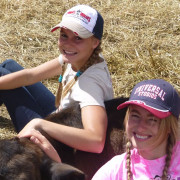
On Tuesday, we went to Light Root Community Farm, a biodynamic, horse-powered dairy farm just north of Boulder. They were in the process of building terraced gardening beds on a hillside, so we removed cactus and yucca to clear the way for the horses. Then, we each got a chance to guide the plow with Cameron behind their two gentle but powerful draft horses, Belle and Beauty. Daphne gave us a milking demonstration, and we each also got to try our hand at milking. It’s not as easy as she makes it look! When we had time to take a break, we cuddled the baby chicks and lounged around with the friendliest calves we’ve ever met.

On Wednesday, we volunteered with Sarah at the Cultiva! Youth-powered CSA project at Growing Gardens. Though we all ended up a bit cross-eyed and sore, the long rows of beets were just about weed-free when we were done. In the afternoon, we all worked with the 2nd grade during their gardening class.
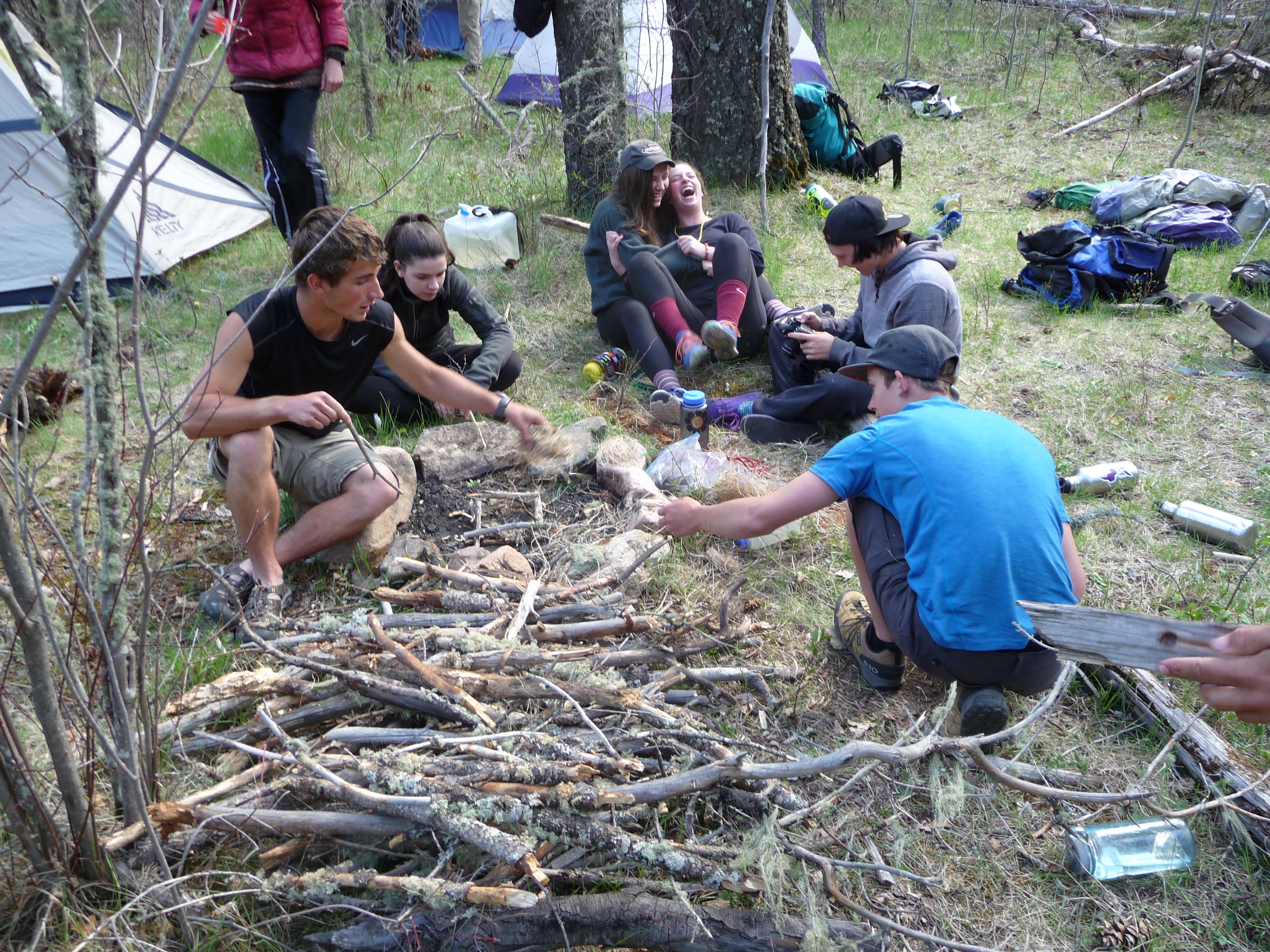
On Thursday, we renovated, planned, cultivated and planted the High School Peace Garden (aka “Claude’s Garden”). We planted peas, beans, kale, broccoli, cabbage, lettuce, herbs, raspberries, strawberries, chard, beets, carrots and more. Hopefully, we’ll get together again soon and over the summer to plant more, care for the garden, and, of course, harvest!
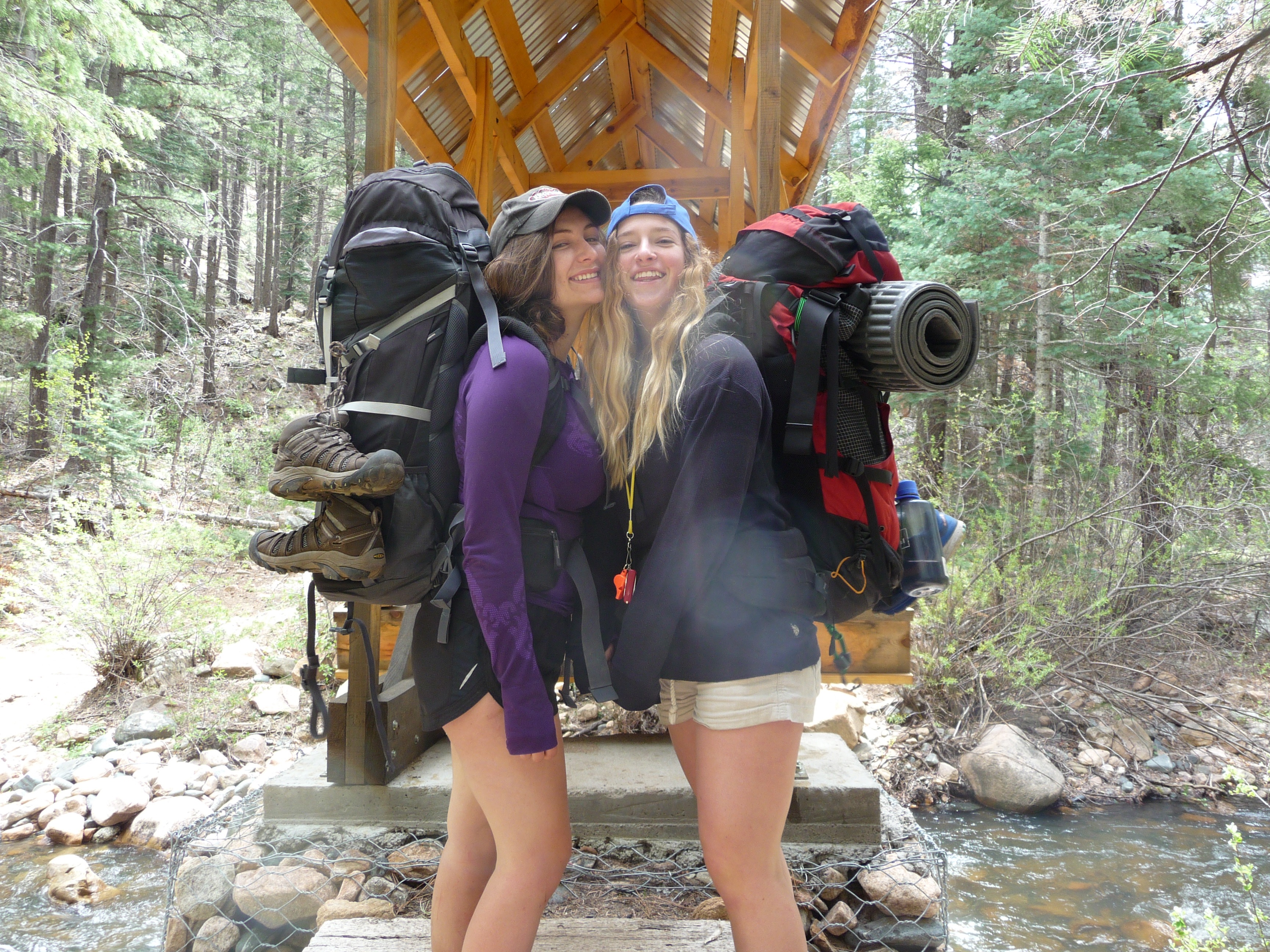
On Friday we finished our work in the garden and then worked with the 8th grade in the Pumpkin Patch. We finished our week with a visit to Mountain Flower Goat Dairy, where we got to try our hand at milking goats, and Maddie gave us a tour. We also fed the baby goats, but, apparently, they were still pretty hungry. Though adorable, they wouldn’t stop nibbling on boots and belts and shirts and even our hair!

Jon Ray Gardner
SMWS Grounds Manager and Gardening Teacher

HS Spring Experiences – Hermit Peak | by Eric Mahoney and Evan Wiebe

Hermit Peak, #1

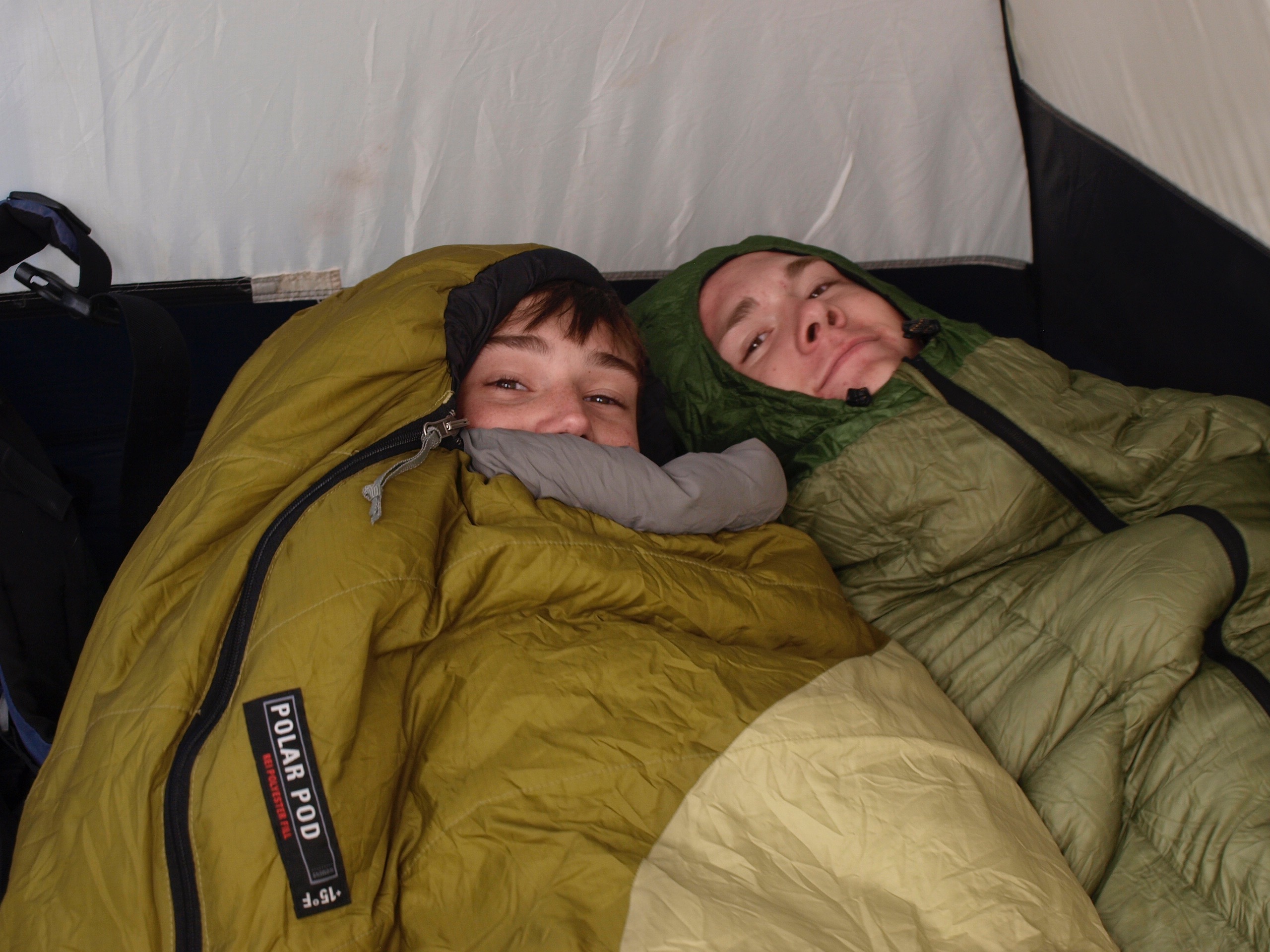
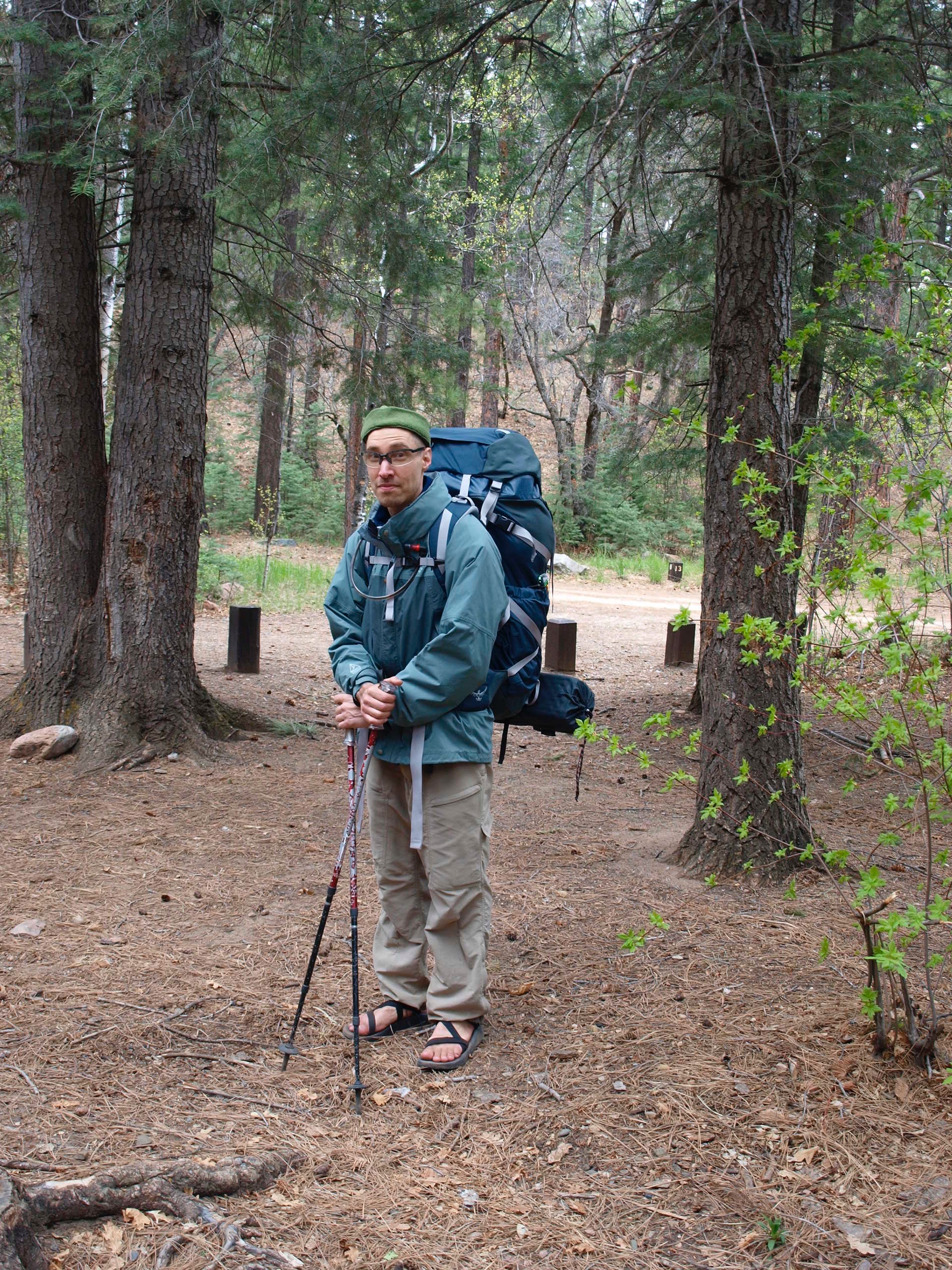
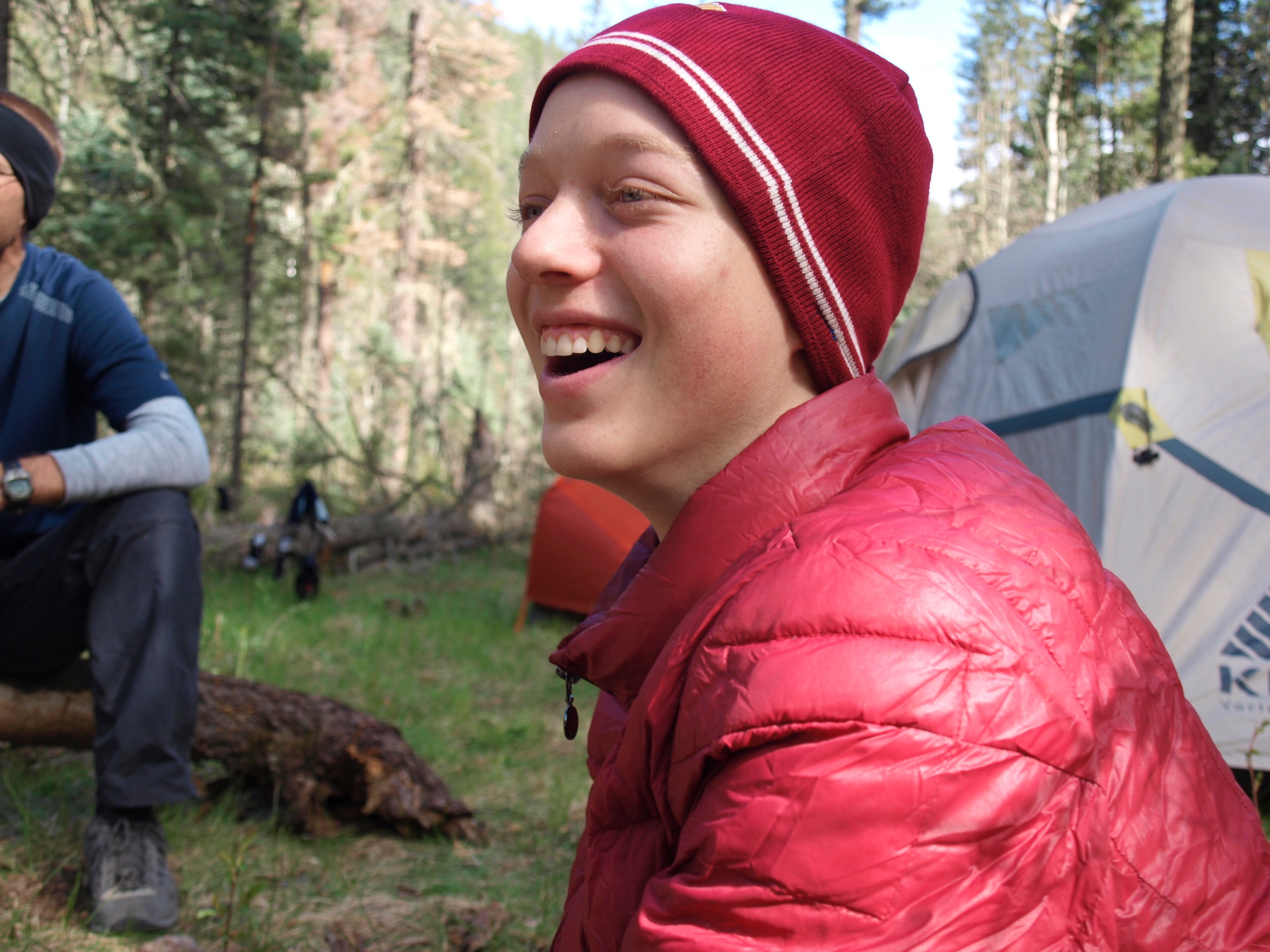
A group of ten high schoolers, accompanied by two teachers and a parent, ventured to New Mexico for a backpacking trip offered by the Shining Mountain High School’s spring experience program, which allows students to pursue a chosen activity for a week of the school year. Led by Dr. Mathews, we arrived at the campground excited for our upcoming adventure, but moving out the next morning, our excitement was dampened from the cool morning temperatures and the daunting route ahead of us.

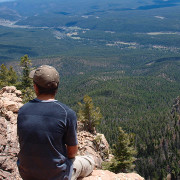
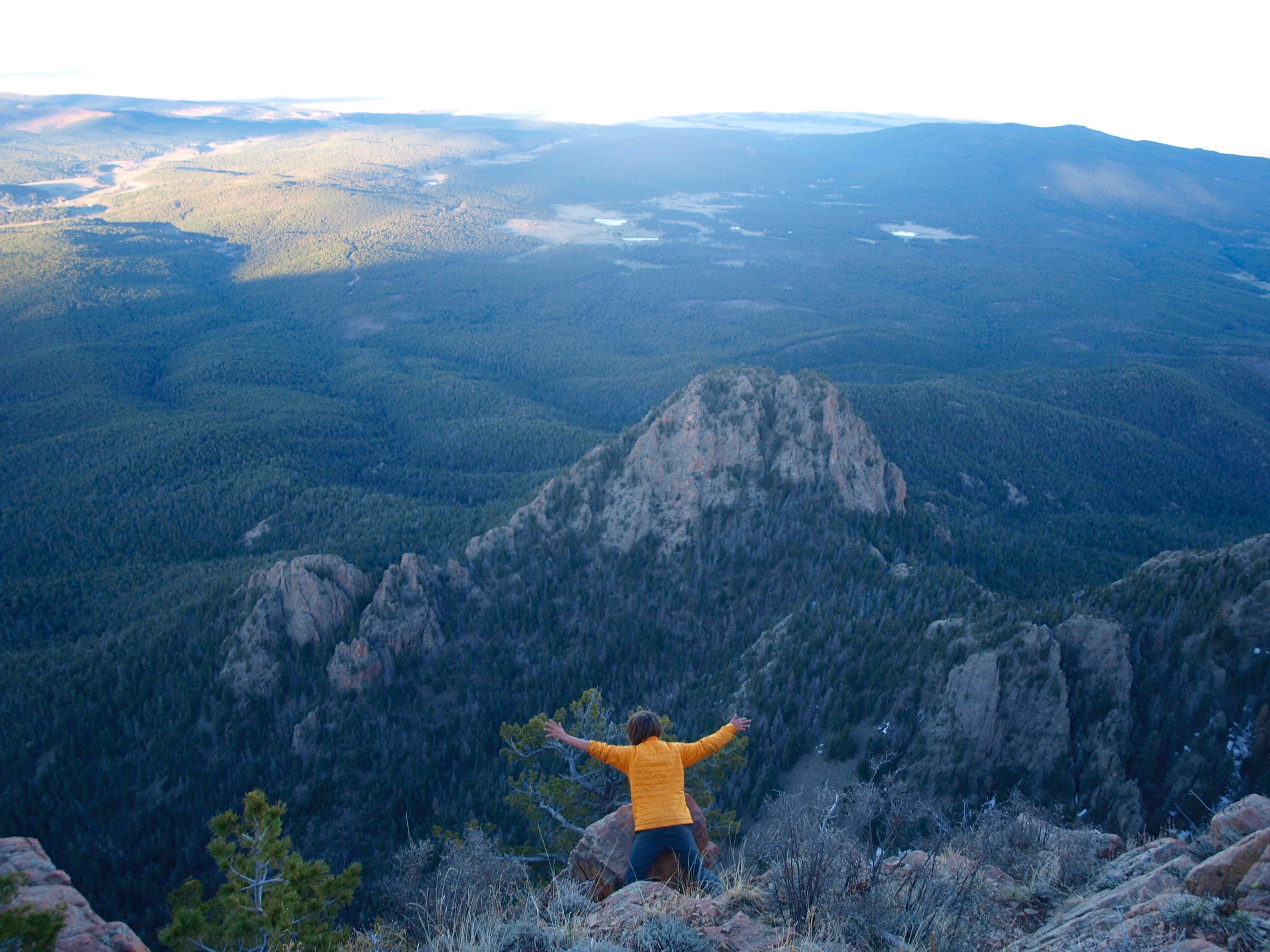
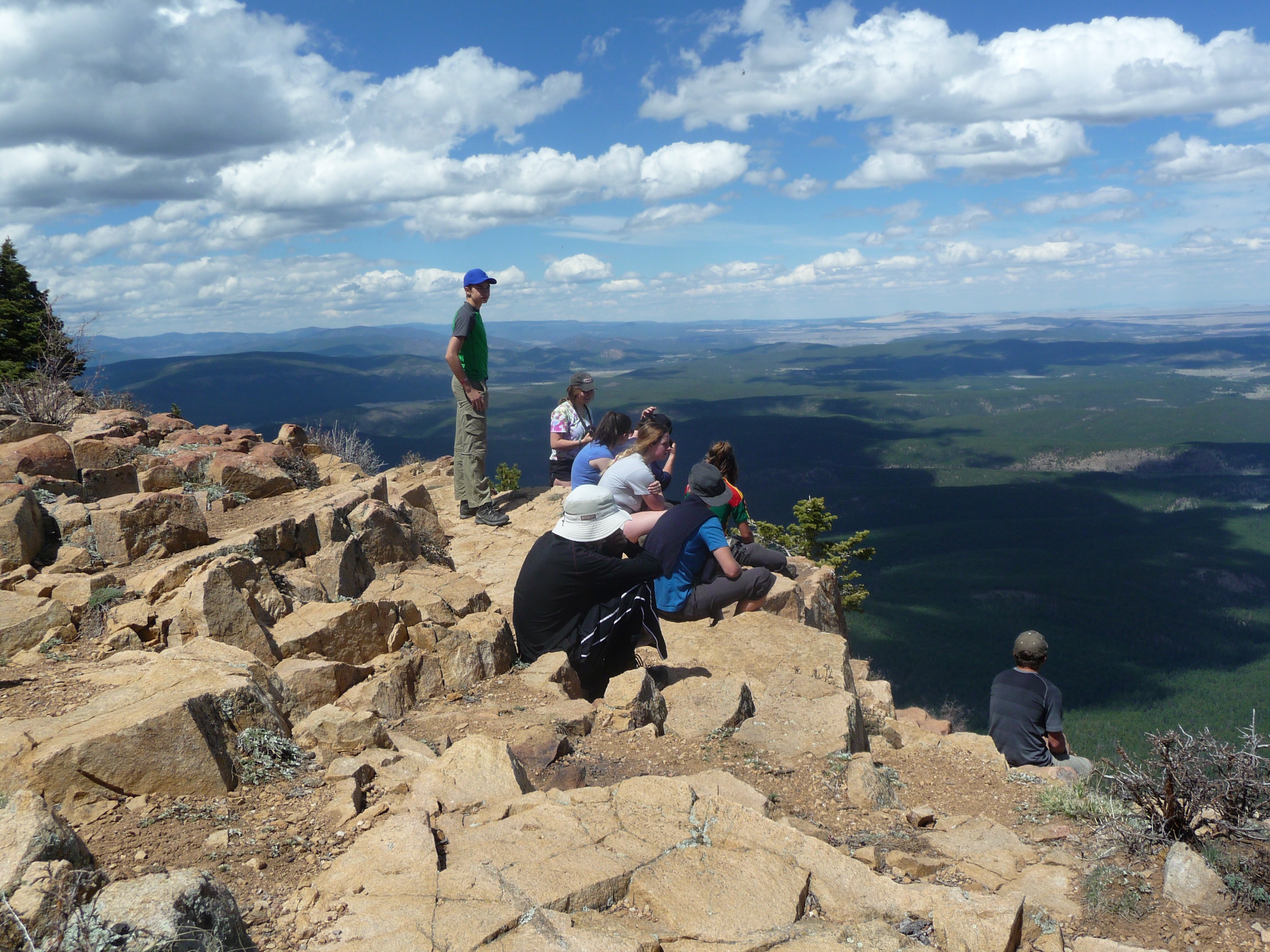
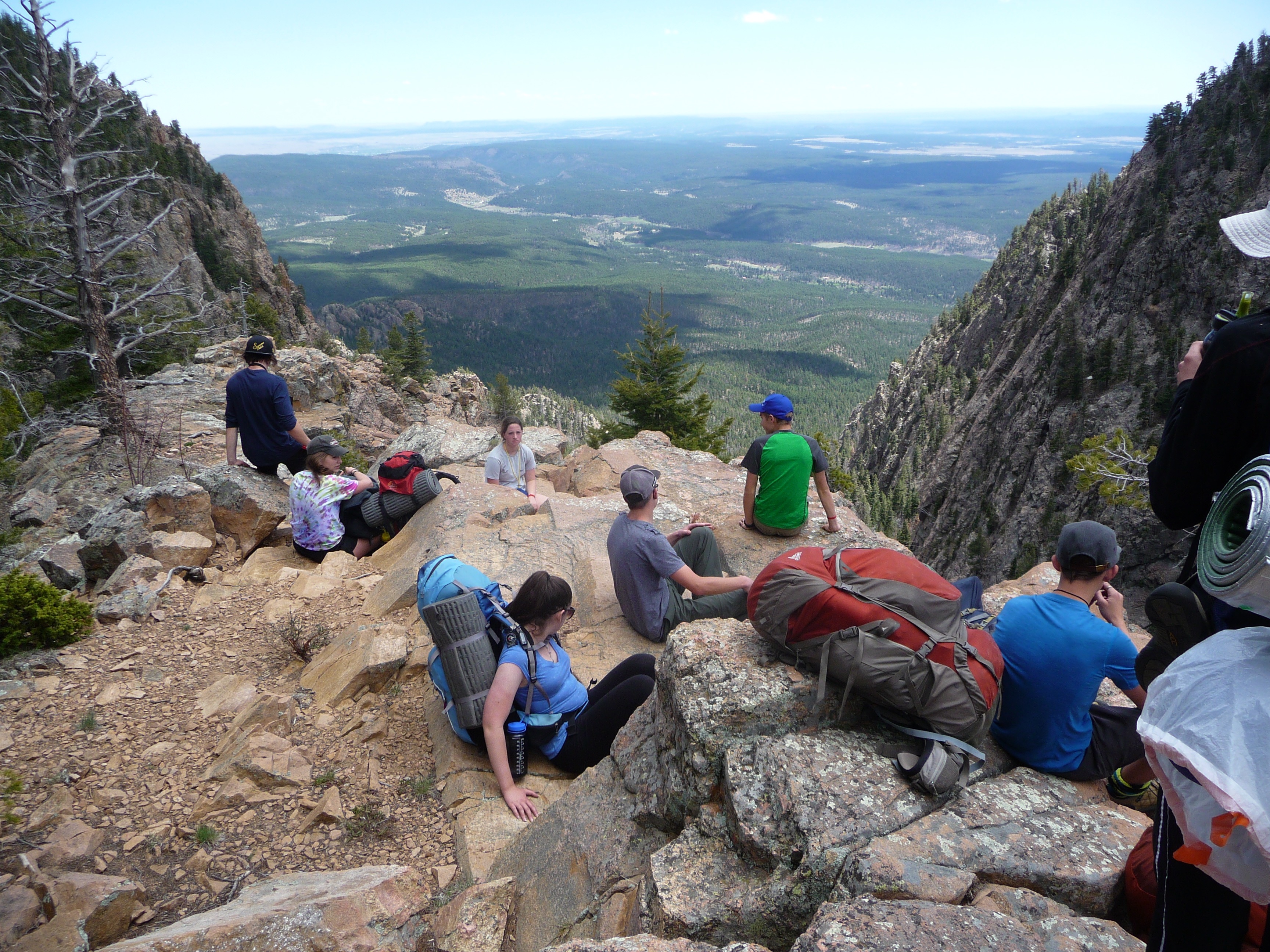
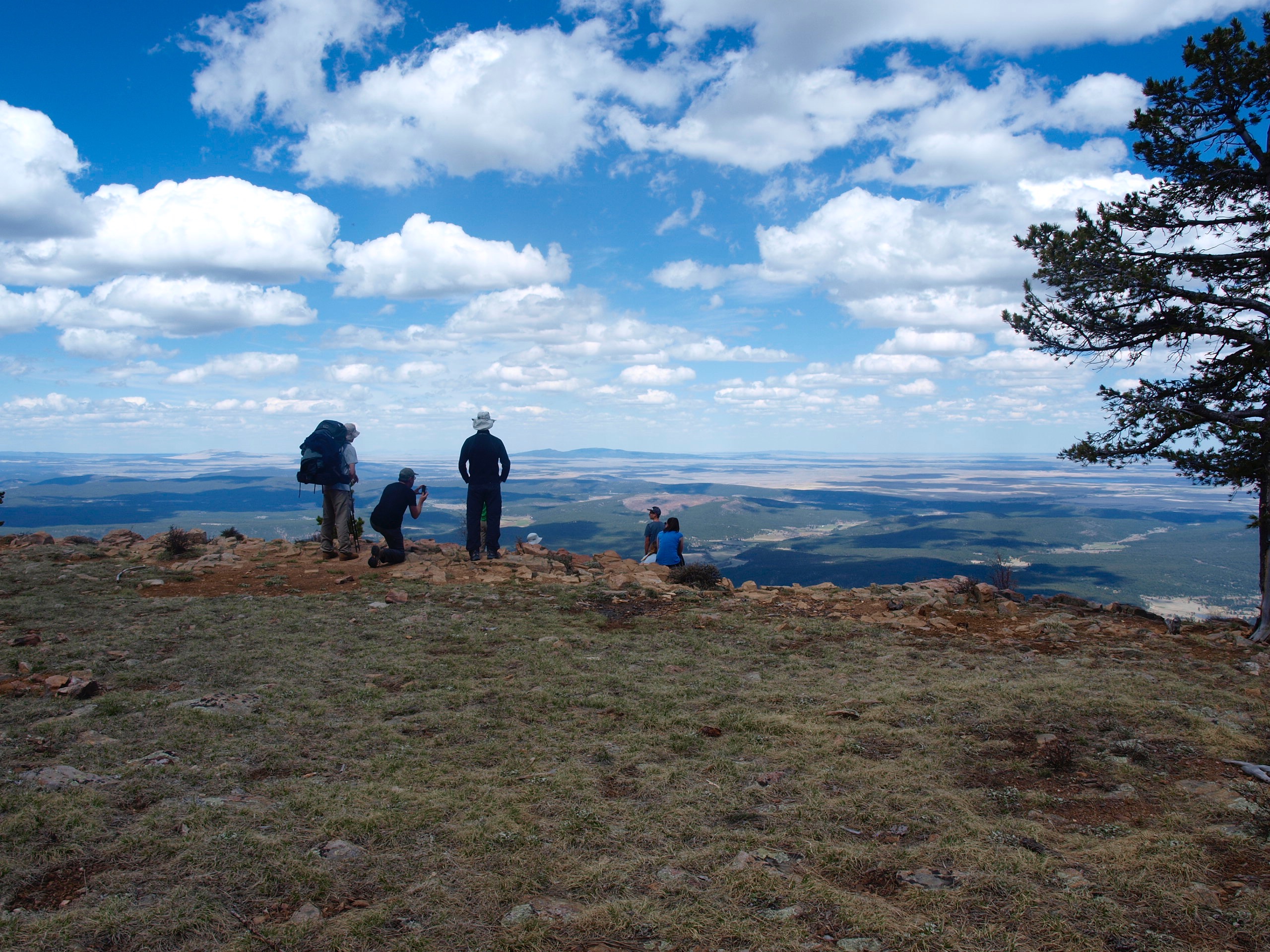
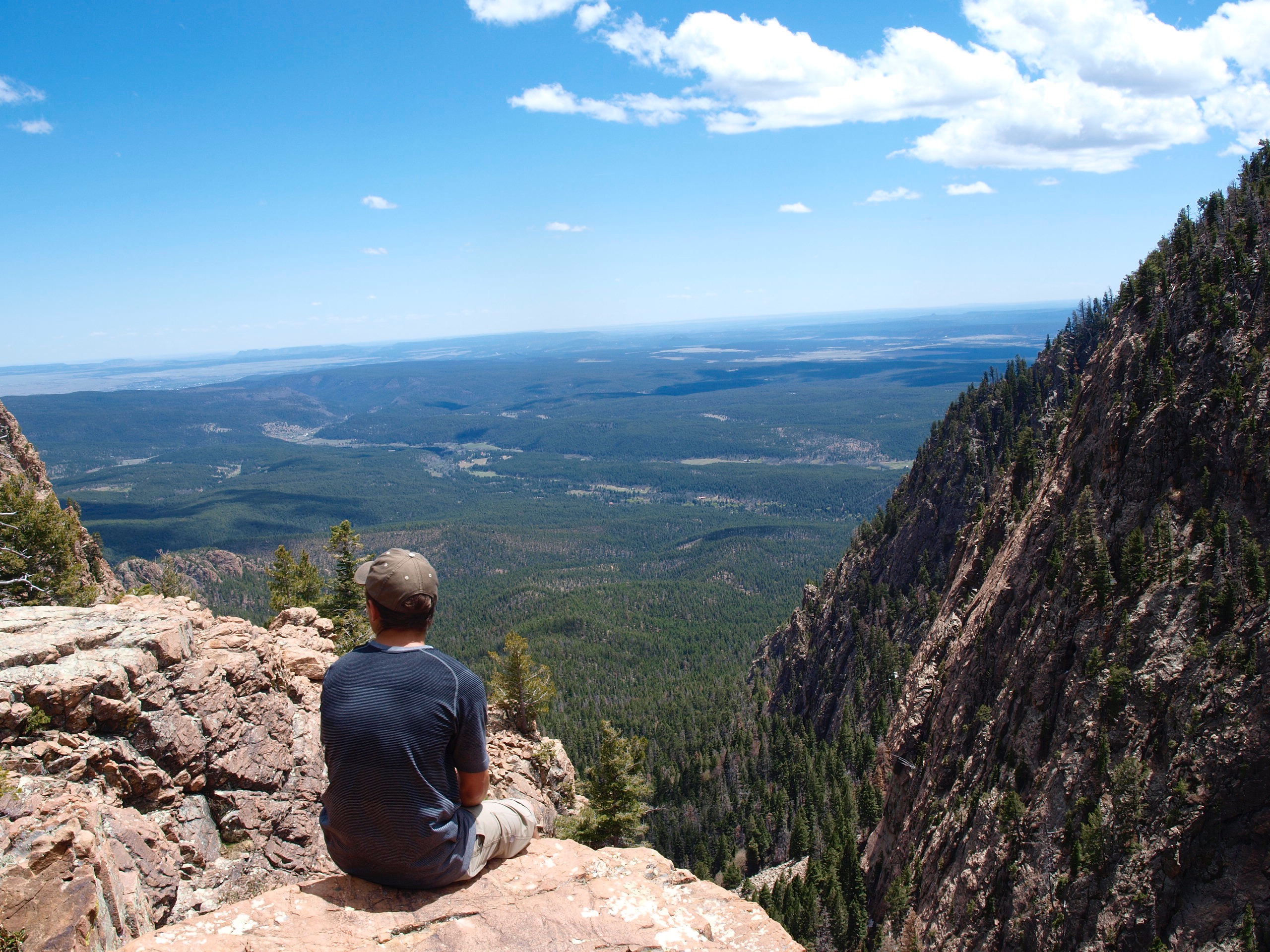
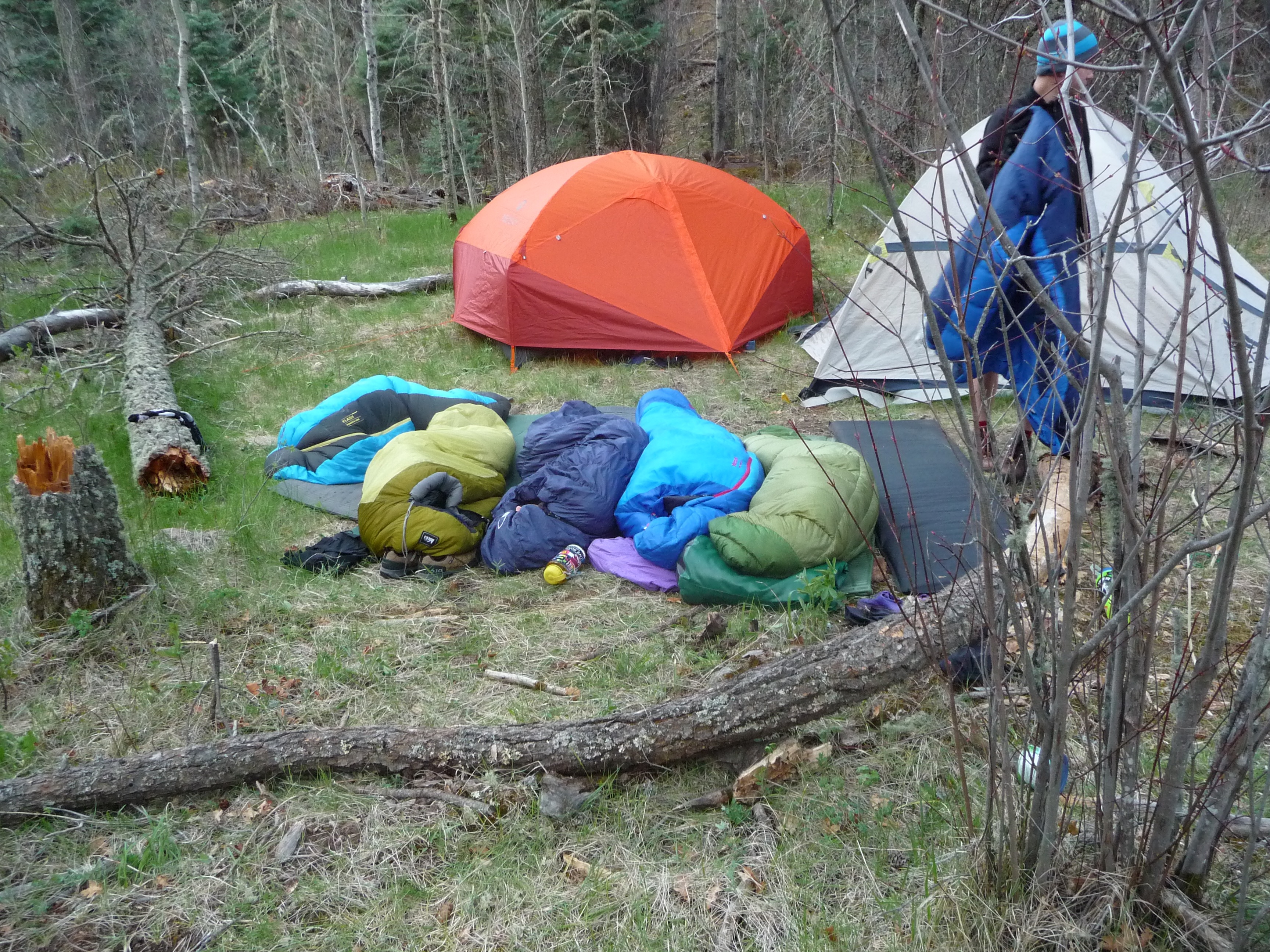
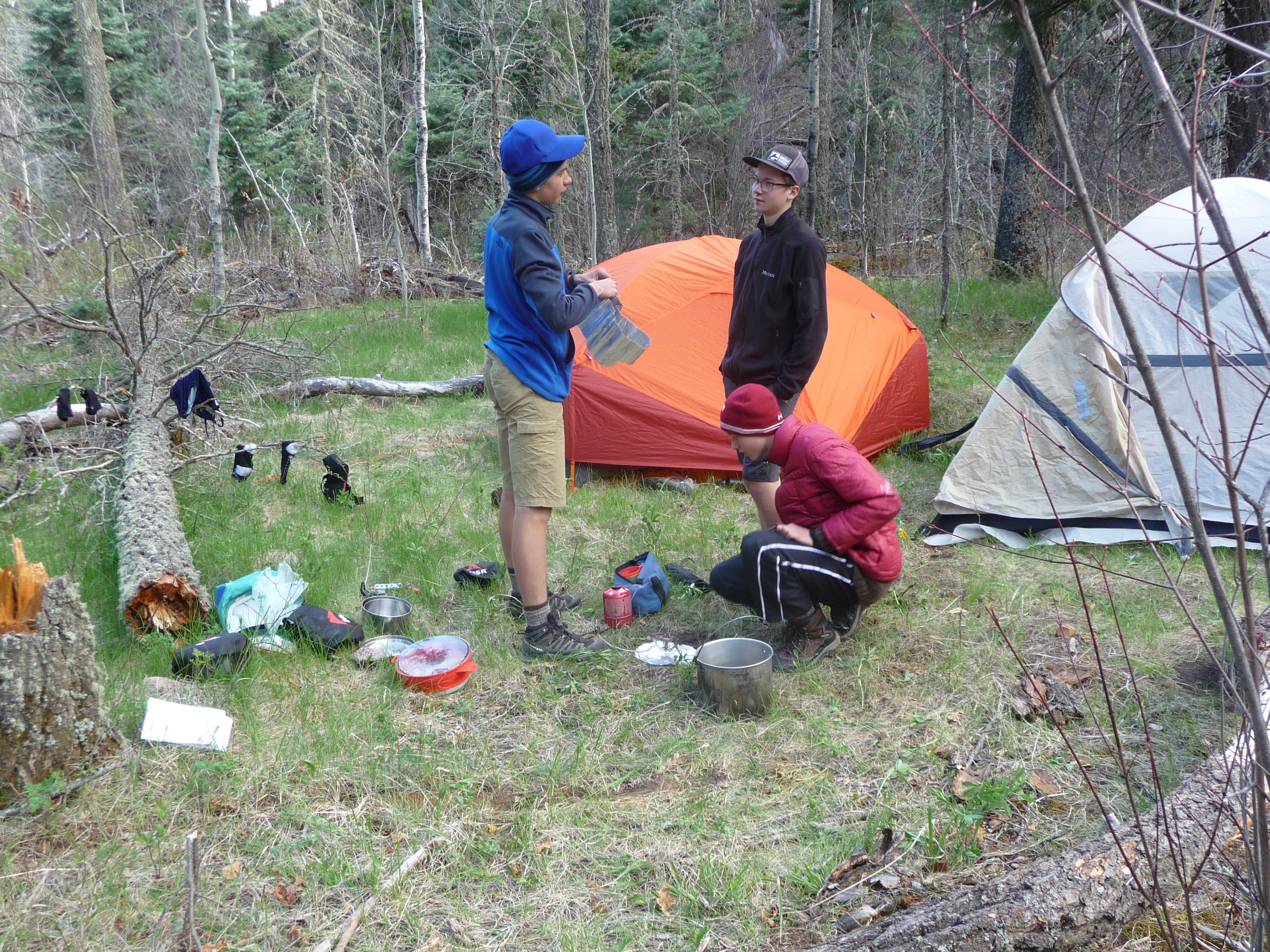
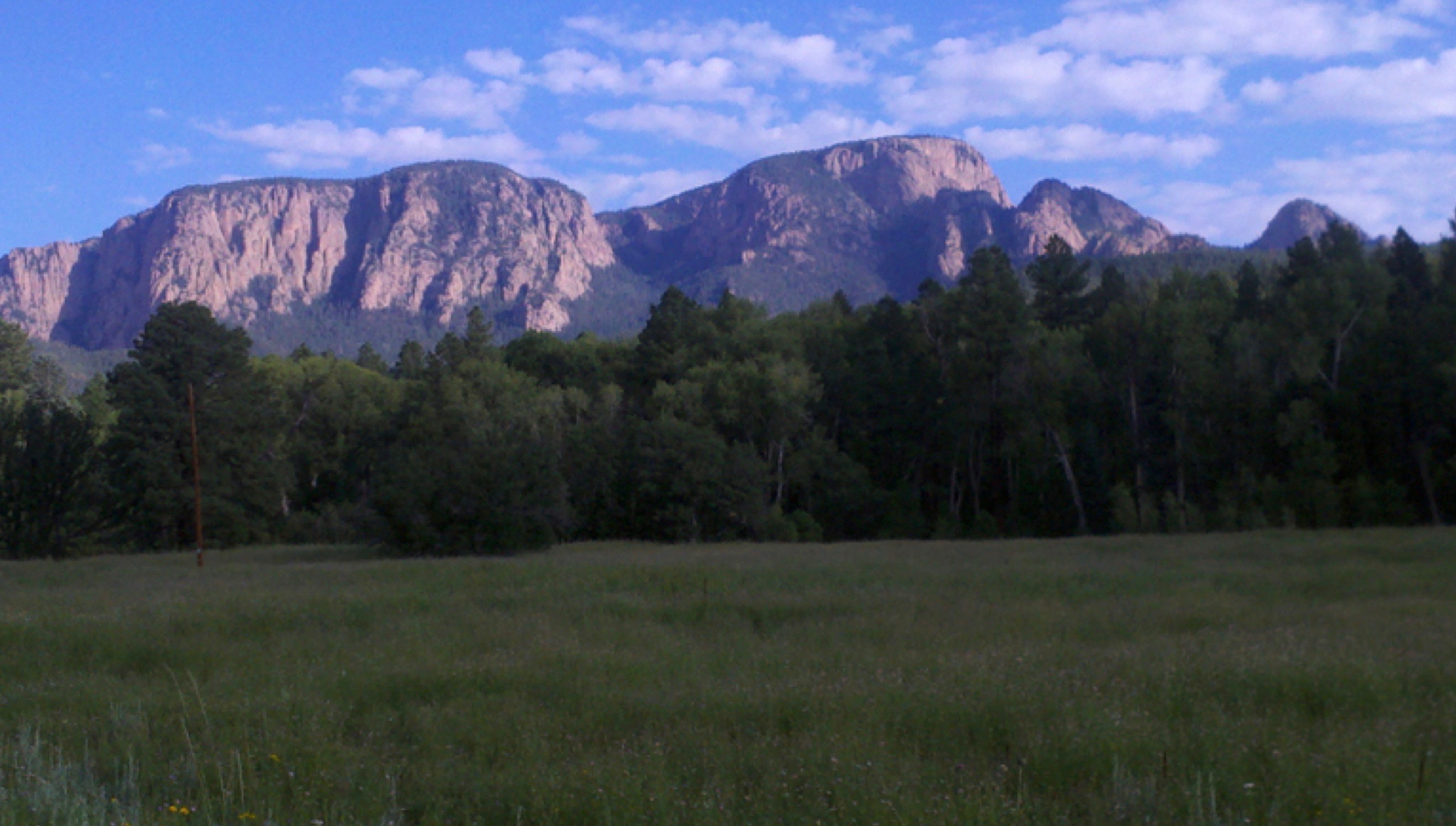
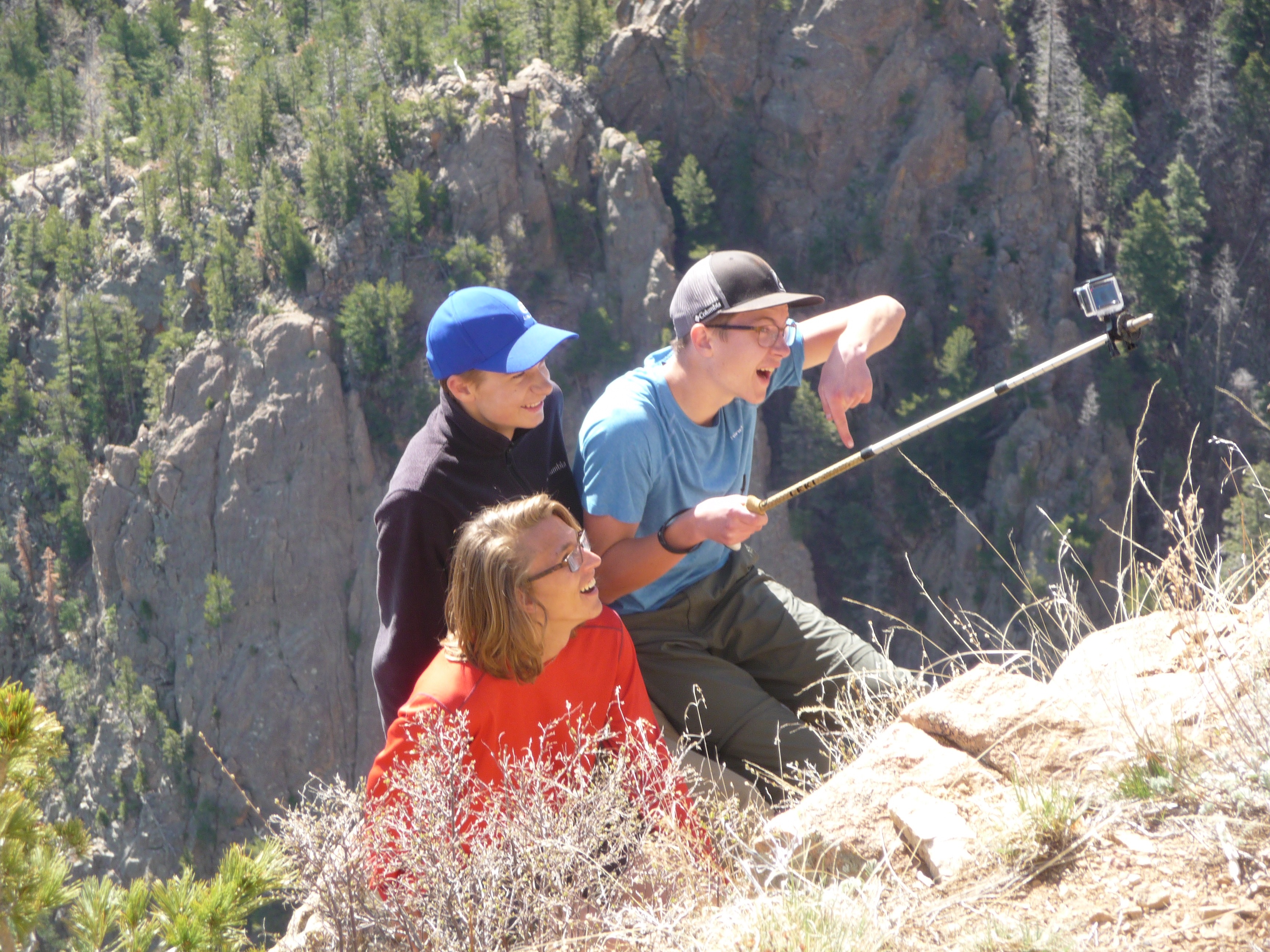
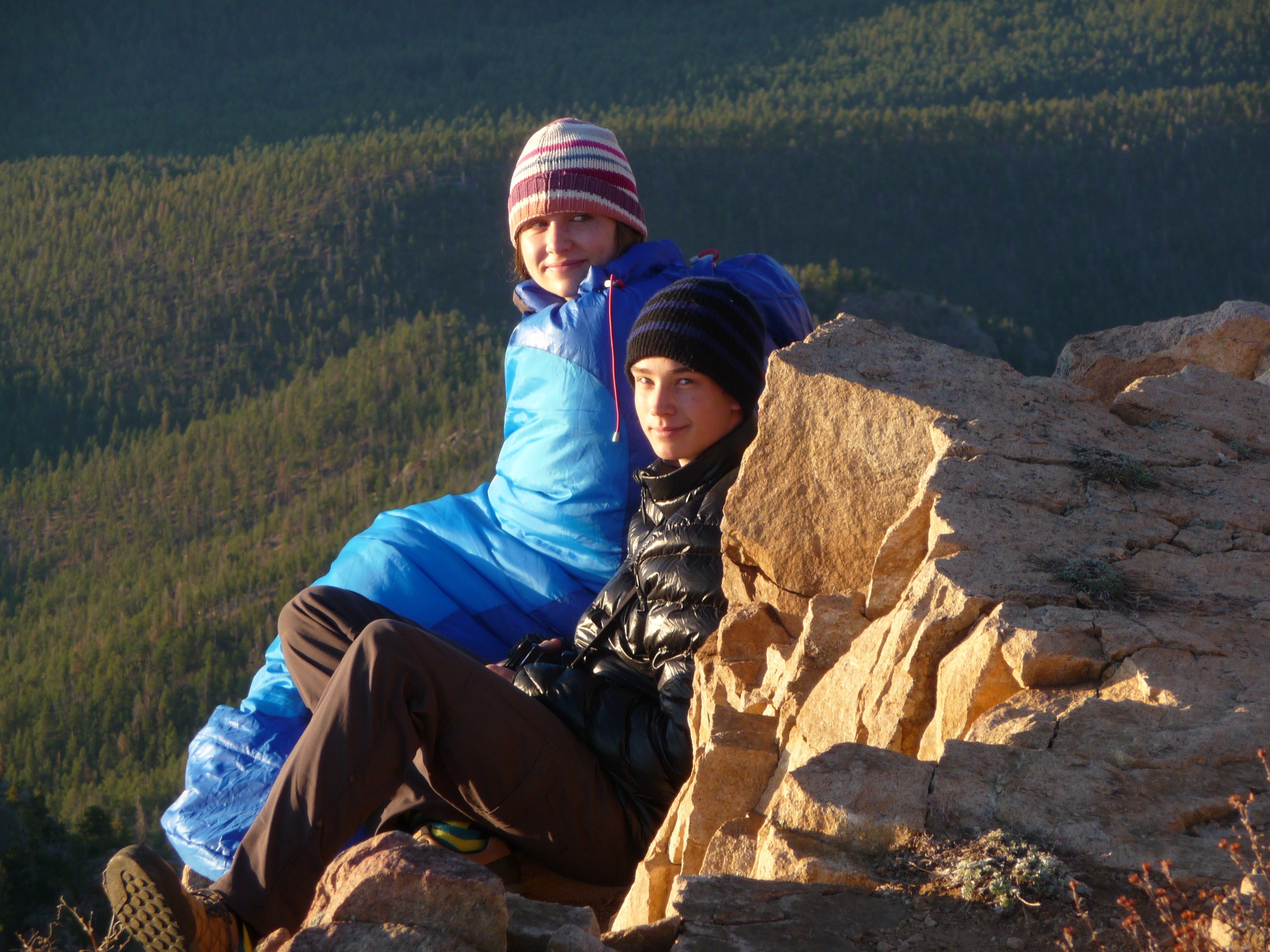
That first day, the trail covered around four or five miles and climbed almost three thousand vertical feet. We felt very rewarded when we finished, pitching our tents as close as we dared to the sheer drop that made up the east face of Hermit Peak. For many of us, myself included, the top of Hermit Peak was, quite literally, the high point of our trip. Sitting on the edge of the cliff with our feet dangling, we could see for miles around.

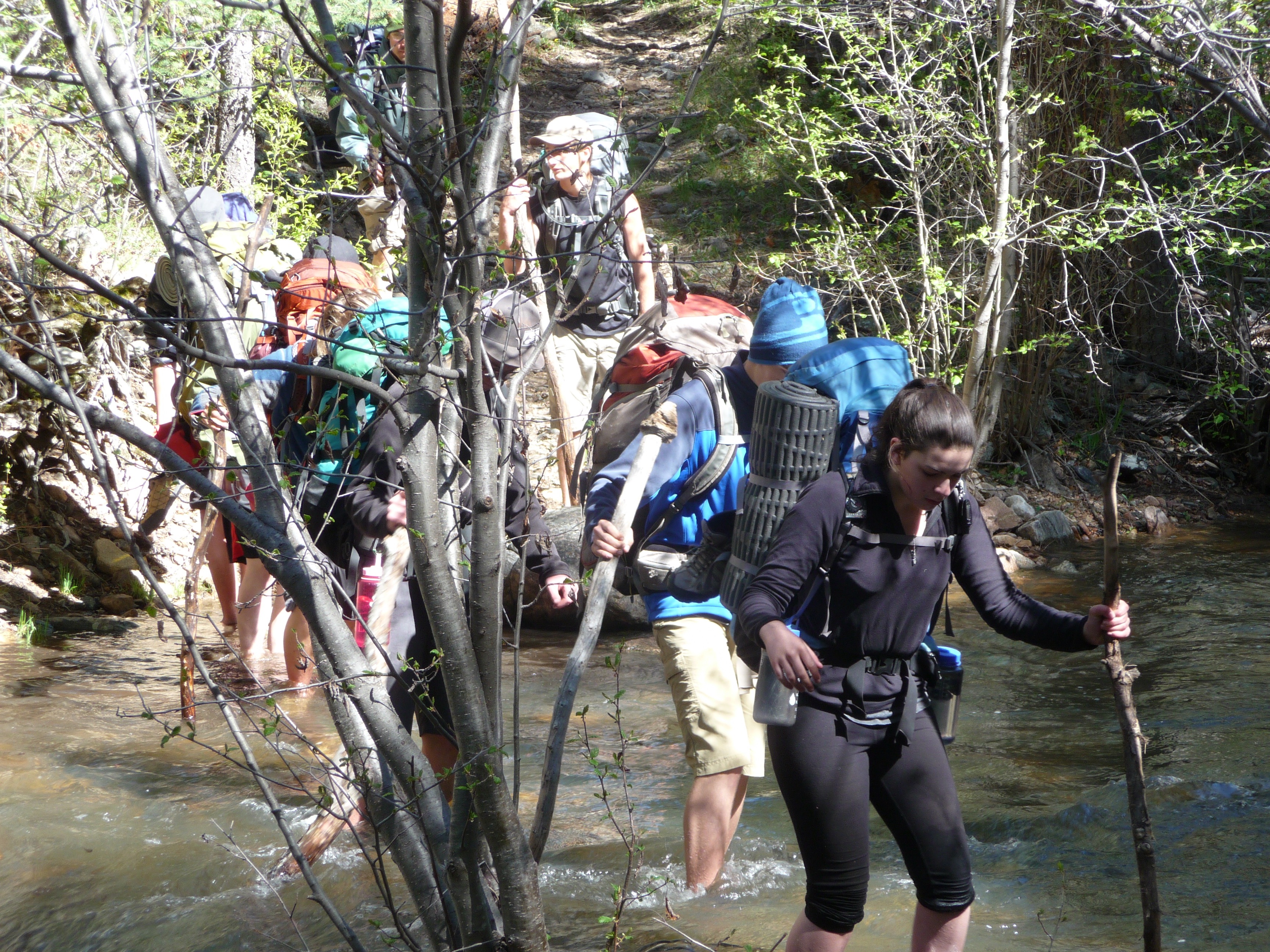
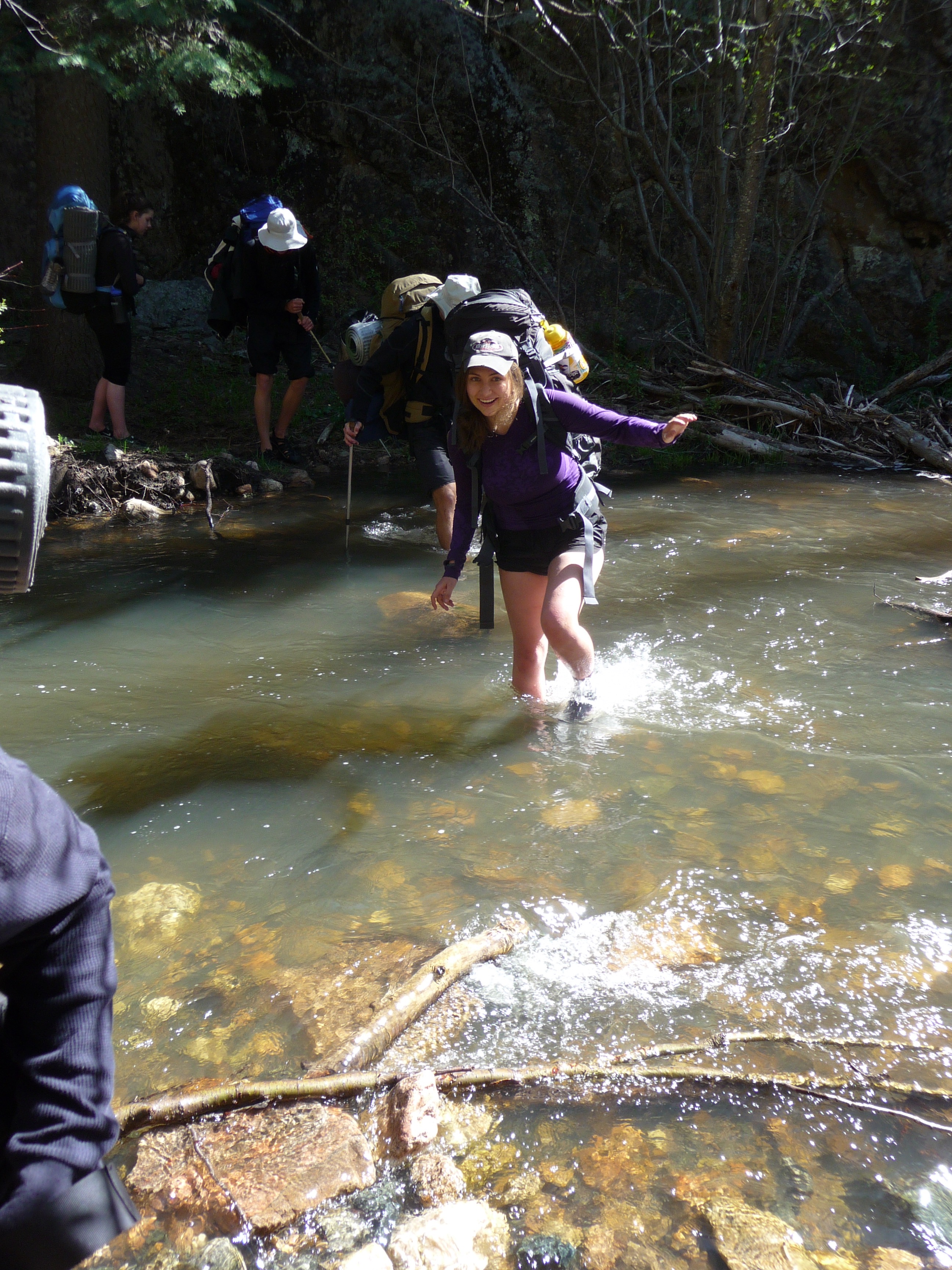
When we packed in the morning and began our next day of hiking, we looked at that spectacular view one last time. Our journey also brought us in contact with many other beautiful sights, such as lush green meadows and rushing streams. Through the next few days we meandered into the valley, finally making our way, after many frigid stream crossings, back to our first campsite where the waiting bus was a welcome sight.

At the end of the trip we were sad to look at the majestic Hermit Peak for the last time, but we were also looking forward to returning to the amenities of our homes. The experience for me was very positive, and I can attest it was the same for everyone else in our group. It goes to show that we really don’t need anything other than a sturdy pair of boots to have a fantastic time.

Eric Mahoney, Class of 2019

Hermit Peak, #2

500 feet away and we are trudging through the pine trees. 400 feet, and still no sign of the peak. 200 feet, and a glimpse and hint of sky. At 100 feet, the trees open up, revealing what looks like our destination, possibly the top of a cliff. At 50 feet we can see that it is definitely a cliff we are on top of, and when we reach the edge the ground stretches out below us like a carpet of rolling green, occasionally punctuated by towering rocks jutting high above the pine trees. To the east lie rolling hills all the way down to Las Vegas, New Mexico, and beyond that it is flat plains and an occasional mountain range. To the northwest lie more mountains, and to the south the valleys roll on and on. How did we get to such a beautiful location, you may ask. This is how.

It all started with a six-hour bus ride going south. At the little town of Las Vegas, we turned west and took a winding road into the mountains of the Pecos Wilderness. We arrived at an almost empty camping ground where we spent our first night. The next morning we started the first, and arguably hardest, day of hiking of the whole trip. The hike was only five or so miles in length but had close to 3,000 feet of elevation gain to the top of Hermit Peak. We spent the night soaking in the views from the broad meadow on the top of Hermit Peak and the next day made our way down to the river valley that would lead us back to where we started.

This second day was filled with challenges, from minor injuries due to treacherous footing in the snow on the north-facing side of the peak, to finding a suitable and big enough campsite. This day we accidentally took an unplanned shortcut and shortened our route. We camped next to the river, surrounded by its steep and rocky canyon walls.

The last day had fewer miles due to the short cut of the previous day, but offered new difficulties. The path down the canyon snaked back and forth across the river, crossing and re-crossing the icy water. We hiked this portion of the trail in the early morning, when it was colder out, so that by the third river crossing you could barely feel your toes. We arrived back at the campground by midday and set up our final camp. The next morning we could see the beautiful Hermit Peak as we drove away, back to Colorado.

Evan Wiebe, Class of 2019